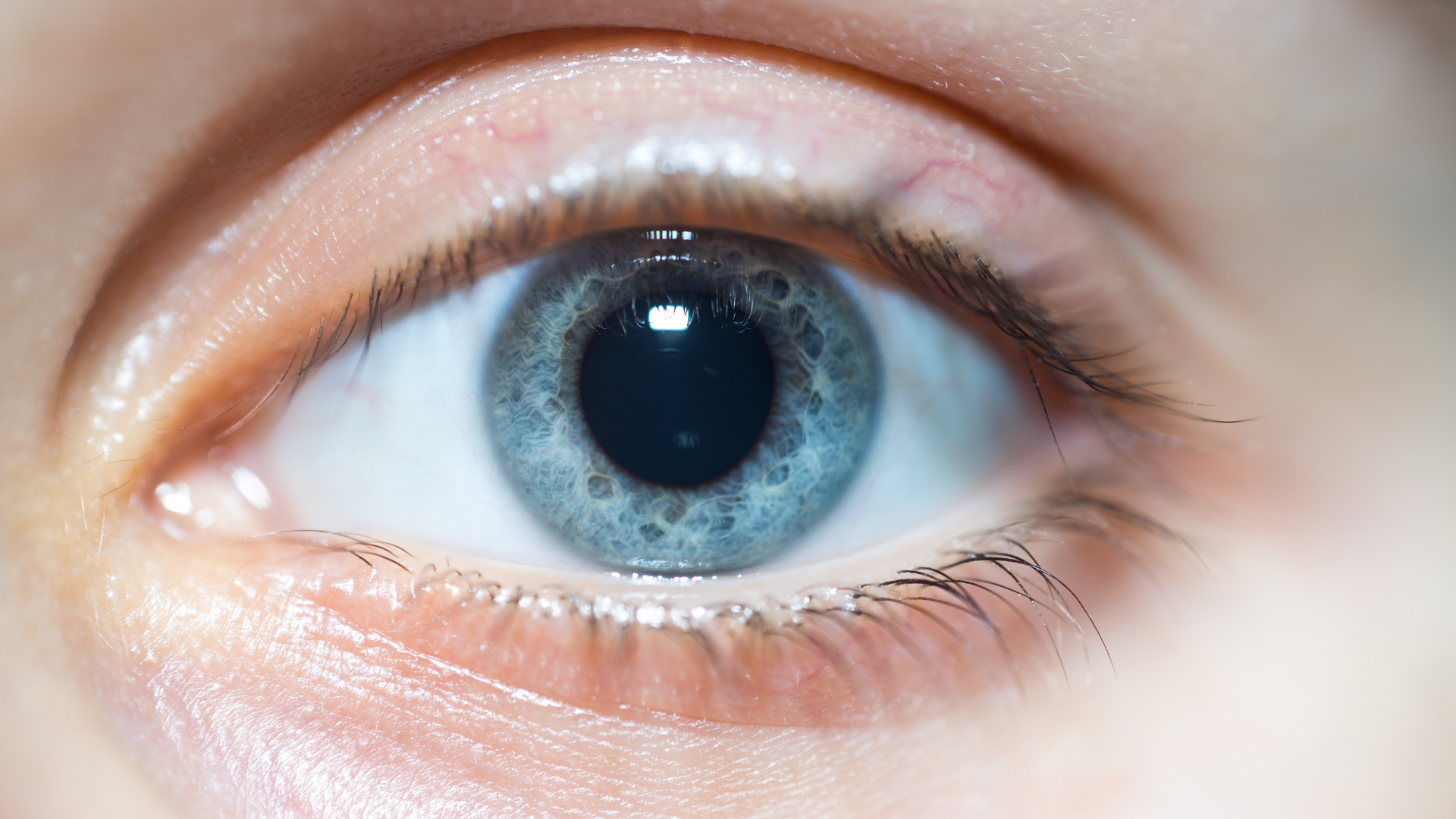
Your eyes work hard every day—whether you’re working on a computer, driving, reading, or spending time outdoors. Just like the rest of your body, your eyes benefit from proper nutrition. Eating the right foods can help protect your vision, reduce your risk of eye disease, and support long-term eye health. If you’ve ever wondered what foods improve eyesight, here are some of the best foods for eye health to add to your diet. 1. Leafy Greens for Eye Health Spinach, kale,...
Common Eye Infections: Symptoms, Treatment & When to See an Optometrist Eye irritation can happen for many reasons—but when redness, pain, discharge, or blurry vision appear, an eye infection could be the cause. Many common eye infections can be treated quickly and effectively when caught early. However, delaying treatment may lead to more serious complications that can affect your vision. At RiverCity Eye Care, we help patients identify eye infection symptoms, find relief qu...
If you’re wondering whether your child is old enough for contact lenses, you’re not alone. One of the most common questions parents ask is: “Can kids wear contact lenses safely?” The answer may surprise you—there’s no exact age requirement for contact lenses. Instead, the right time depends on your child’s maturity, hygiene habits, and ability to responsibly care for their lenses. At RiverCity Eye Care, we help parents determine whether contact lenses for kids&nb...
Dry eye is one of the most common concerns we see in the clinic—and if your eyes ever feel gritty, tired, or watery (yes, watery!), you may be dealing with it too. What is Dry Eye? Dry eye occurs when your eyes can’t maintain proper moisture. This can happen in two main ways: Decreased tear production – your eyes don’t make enough tears Tear evaporation – your tears dry up too quickly Your tears are made up of three important layers: oil, water, and mucus. The oil laye...